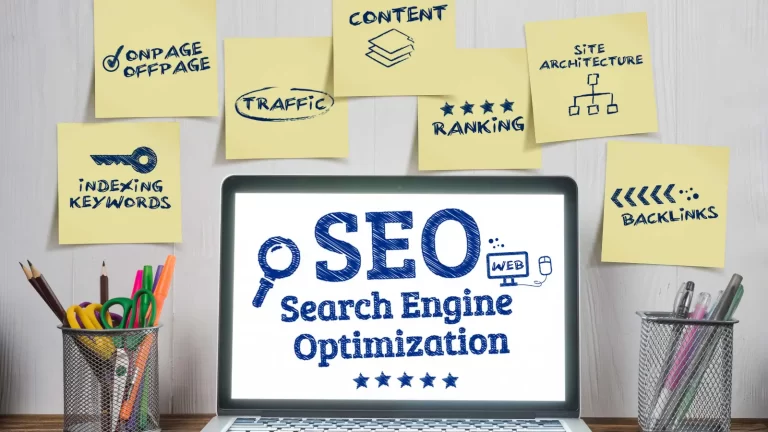
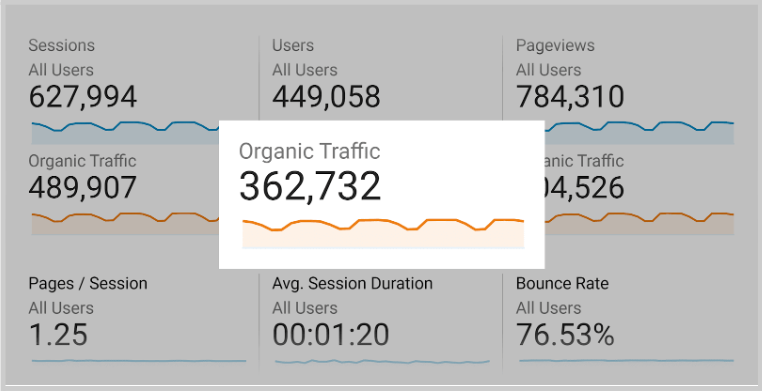
Search Engine Optimisation (SEO) is a structured approach to improving a website’s organic visibility on search engines like Google. Unlike paid advertisements, a strong SEO strategy helps your site attract free, high-quality traffic that engages users effectively. With the right approach, even websites with minimal initial visitors can grow to attract thousands of monthly visitors.
What Is an SEO Strategy?
An SEO strategy — also called an SEO approach — is a planned set of actions designed to improve your website’s ranking in search engine results without relying on costly ads. It focuses on attracting organic traffic that is genuinely interested in your products or services.
The goal is simple: make your website visible, valuable, and compelling for search engine users, while avoiding the distractions of sponsored or paid ads.

Steps to Create a Winning SEO Strategy in 2025
- Research a Series of Keywords
Identify the search terms your target audience uses. Focus on relevance, search volume, and user intent. - Analyse Google’s First Page
Understand what content already ranks well. Review competitors and note strengths and weaknesses. - Differentiate Your Content
Ensure your content provides unique insights, better value, or a fresh perspective that stands out from competitors. - Add a Hook
Capture attention by presenting a strong angle or unique proposition that encourages clicks and engagement. - Optimise On-Page SEO
Include target keywords in titles, headings, meta descriptions, URLs, and content while maintaining readability. - Align with Search Intent
Make sure your content answers the specific questions or needs of users searching for those keywords. - Design Content Strategically
Structure your pages to be visually appealing and easy to navigate, enhancing user experience. - Build Quality Links
Acquire relevant backlinks from authoritative websites to signal credibility to search engines. - Continuously Improve
Update content regularly, adapt to trends, and refine your strategy based on performance metrics.
Understanding the SEO Process
SEO requires collaboration across multiple teams — sales, marketing, and content specialists — and involves analysing competitors’ content, observing search engine behaviour, and producing high-quality, engaging content.
The SEO process can be broken down into six phases:
- Business Research & Competitor Analysis
Identify market opportunities, review competitors, and define goals. - Website Health Assessment & Keyword Research
Evaluate your site’s technical performance, content quality, and structure. Select the most effective keywords to target. - Strategy & Planning
Decide on content types, link-building activities, social media integration, and technical optimisation. - Implementation
Apply SEO improvements across your website. This phase usually takes 3–6 months to yield results. Continuous optimisation is necessary to maintain and improve rankings. - Monitoring & Assessment
Track website traffic, search engine rankings, and other key indicators. Assess strategy effectiveness and identify areas for improvement. - Maintenance
Perform regular updates, fix technical issues, and optimise new content to stay aligned with evolving SEO trends.
While SEO focuses on organic growth, combining it with paid search campaigns (displayed at the top of SERPs as “Ads”) can enhance overall visibility and accelerate results.
Quick Summary
SEO is the process of improving a website’s ranking on search engines to increase visibility, attract more visitors, and generate higher conversions. Although it involves technical knowledge and ongoing effort, it provides long-term advantages over traditional marketing methods.
SEO Agency Malaysia offers free consultations to help businesses develop customised SEO strategies. Our flexible sessions, online or face-to-face, are designed to maximise your website’s performance and drive sustainable growth.